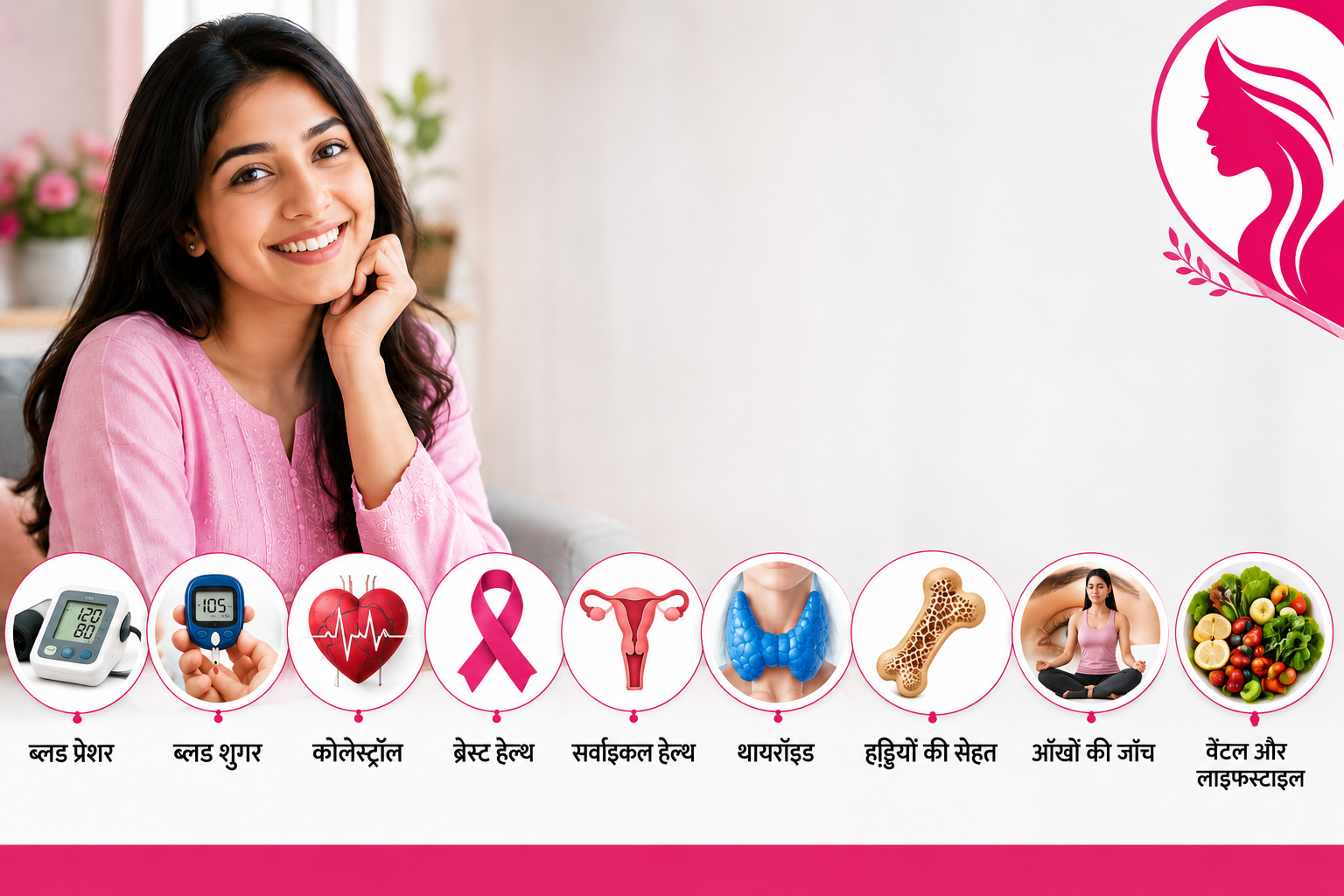
Women often manage work, family and personal responsibilities at the same time, which can make routine health checks easy to postpone.
However, regular health screening can help identify certain health problems early, when they may be easier to manage.
The right health checks depend on age, family history, lifestyle and individual risk factors. There is no single checklist that is appropriate for every woman.
Here are some important areas women can discuss with a healthcare professional.
1. Blood Pressure Check
High blood pressure can develop without obvious symptoms.
A routine blood pressure measurement is a simple way to identify whether further evaluation may be needed.
Women with a history of high blood pressure, pregnancy-related hypertension or other risk factors may need more frequent monitoring.
2. Blood Sugar Testing
Blood glucose testing can help identify diabetes or prediabetes.
Risk can increase with factors such as:
- Family history of diabetes
- Overweight or obesity
- Low physical activity
- Previous gestational diabetes
- Certain medical conditions
A healthcare professional can recommend the appropriate test and frequency based on individual risk.
3. Cholesterol Screening
Cholesterol is an important factor in cardiovascular health.
High cholesterol does not usually cause noticeable symptoms, which is why testing can be useful.
A lipid profile may measure different types of cholesterol and triglycerides.
The appropriate testing schedule depends on age, health history and cardiovascular risk.
4. Breast Health Screening
Breast health is an important part of women’s healthcare.
Women should understand how their breasts normally look and feel and discuss any unusual changes with a healthcare professional.
Depending on age and personal risk, a doctor may recommend screening mammography or other investigations.
Women with a strong family history of breast cancer may require an individual risk assessment.
5. Cervical Cancer Screening
Cervical cancer screening can help identify abnormal changes before they develop into cancer.
Depending on the woman’s age and local healthcare guidelines, screening may involve HPV testing, cervical cytology or other recommended methods.
Women should follow the screening schedule recommended by their healthcare provider.
6. Thyroid Health
Thyroid disorders are relatively common and can affect energy levels, metabolism, menstrual cycles and other aspects of health.
Symptoms such as persistent tiredness, unexplained weight changes, changes in heart rate or sensitivity to heat or cold can have many possible causes.
A doctor may recommend thyroid testing when symptoms or risk factors make it appropriate.
7. Bone Health
Bone health becomes increasingly important with age.
Women have a higher risk of osteoporosis after menopause because hormonal changes can contribute to bone loss.
Factors that may affect bone health include:
- Age
- Menopause
- Family history
- Low calcium or vitamin D intake
- Smoking
- Certain medications
- Low body weight
A healthcare professional can determine whether a bone-density test is appropriate.
8. Eye Examination
Regular eye examinations can help detect vision problems and certain eye conditions.
Women who wear glasses or contact lenses may need periodic examinations, while people with conditions such as diabetes may require additional eye monitoring.
Sudden vision changes, severe eye pain or other urgent symptoms should receive prompt medical attention.
9. Mental Wellbeing
Physical health is only one part of overall wellbeing.
Persistent stress, anxiety, low mood, sleep problems or loss of interest in normal activities should not simply be ignored.
Talking to a qualified healthcare professional can help identify appropriate support and treatment options.
Mental wellbeing can also be affected by major life changes, hormonal changes, work pressure, relationships and other factors.
10. Weight and Lifestyle Assessment
Body weight is only one part of overall health, but changes in weight can sometimes provide useful information.
A healthcare professional may consider:
- Diet
- Physical activity
- Sleep
- Blood pressure
- Blood sugar
- Cholesterol
- Family history
- Waist circumference
- Other medical risk factors
Rather than focusing only on the number on a weighing scale, a broader health assessment can provide a more useful picture.
Health Checks by Age
The appropriate health screening schedule varies considerably from person to person.
Women in Their 20s
Important areas may include:
- Blood pressure
- Mental wellbeing
- Sexual and reproductive health
- Vaccination status
- Healthy lifestyle
- Screening based on personal risk
Women in Their 30s
Women may continue routine health checks while also paying attention to cardiovascular risk factors, reproductive health and family medical history.
Pregnancy and postpartum care can also introduce additional health considerations.
Women in Their 40s
Cardiovascular risk factors can become increasingly important.
Depending on individual risk and local recommendations, doctors may discuss:
- Blood pressure
- Cholesterol
- Blood sugar
- Breast cancer screening
- Cervical screening
- Lifestyle and weight management
Women in Their 50s and Beyond
Healthcare needs can change around and after menopause.
Women may need to discuss:
- Bone health
- Cardiovascular health
- Breast screening
- Cervical screening
- Colorectal cancer screening
- Blood pressure
- Cholesterol
- Diabetes risk
- Menopause-related symptoms
The exact recommendations should be based on age, personal history and applicable healthcare guidelines.
Why Women Should Not Wait for Symptoms
Some important health conditions can develop without obvious warning signs.
That is why preventive healthcare matters.
A woman who feels completely healthy may still benefit from routine measurements and age-appropriate screening.
Early detection does not guarantee a particular outcome, but it can allow healthcare professionals to investigate abnormalities and discuss treatment or lifestyle options sooner.
What to Ask Your Doctor
Before an appointment, it can be useful to prepare a few questions:
- Which health screenings are appropriate for my age?
- Do I have any additional risk factors?
- How often should I check my blood pressure?
- Should I have my cholesterol or blood sugar tested?
- When should I have my next recommended cancer screening?
- Does my family history change my screening needs?
- Are there lifestyle changes that could reduce my health risks?
Keeping a record of previous test results and family medical history can also make medical appointments more productive.
Final Thoughts
Women’s healthcare should not be limited to treating problems after symptoms appear.
Regular preventive care, appropriate screening, healthy lifestyle habits and conversations with qualified healthcare professionals can all play an important role in maintaining long-term health.
The right screening schedule is different for every woman, so online information should not replace personalised medical advice.
If you have a new, persistent or concerning symptom, speak with a qualified healthcare professional rather than relying only on information from the internet.